Your car might seem fine — it starts every morning, gets you from A to B, and doesn’t make any weird noises (yet). So why bother with a service if nothing's wrong?
The answer is simple:
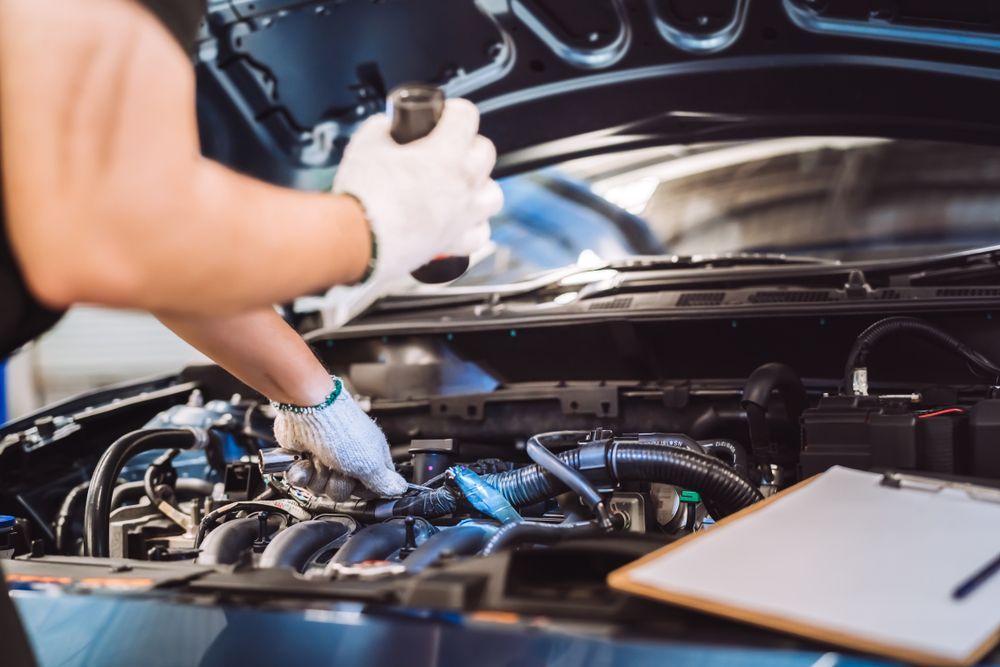
Regular servicing is how you keep small issues from becoming big problems. It’s the automotive equivalent of a health check — and just like with your health, prevention is always cheaper than cure.
What Does “Regular Servicing” Actually Mean?
Regular servicing typically includes:
- Oil and filter changes
- Fluid level checks (brake fluid, coolant concentrate, transmission, washer bottle)
- Brake inspection
- Tyre rotation and pressure check
- Battery and electrical component checks
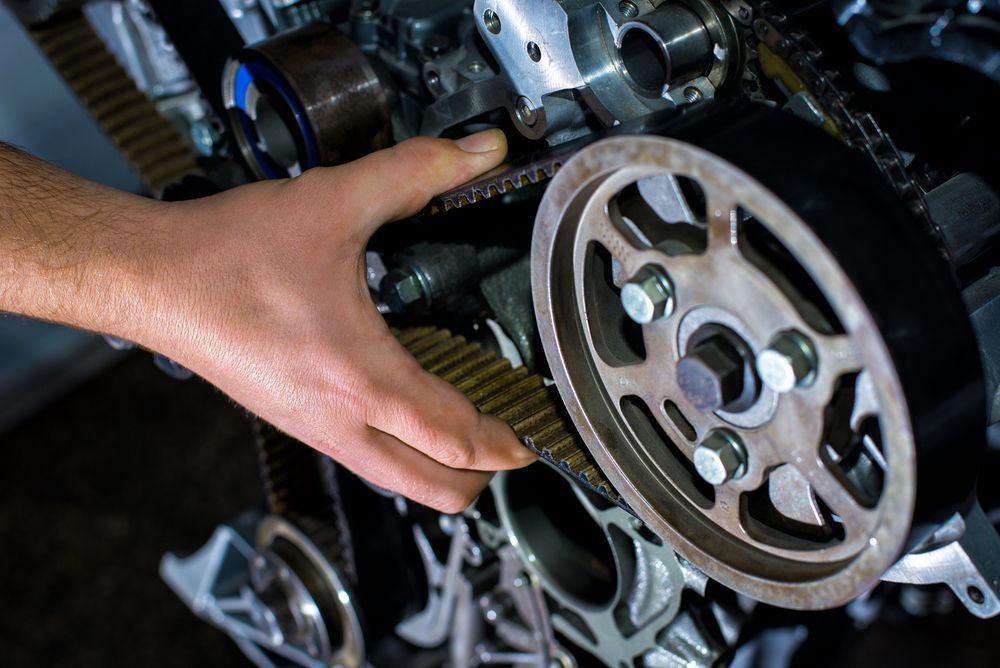
- Belt and hose inspection
- Engine diagnostics
Most services are based on
time or kilometres, while others may depend on the make, model, and usage of your vehicle.
Top Reasons Why Regular Servicing Matters
1. Catch Problems Early
A small coolant leak today could become a blown head gasket tomorrow. Mechanics can spot wear and tear long before it causes serious trouble.
2. Better Fuel Economy
Old oil, clogged filters, or underinflated tyres all reduce efficiency and create excessive wear. Servicing helps your engine run smoother and cleaner, saving you money not only at the bowser, but also in avoiding preventable repairs.
3. Extend the Life of Your Vehicle
Servicing is like exercise for your car — it keeps the engine, brakes, suspension, and other systems in top shape. A well-maintained car can last well over 200,000 km (or more) with fewer issues.
4. Lower Repair Costs
Skipping servicing may save you money today, but it often leads to expensive repairs down the road. A neglected oil change, for example, can destroy an engine.
5. Maintain Warranty Coverage
If your car is under warranty, regular servicing is usually required to keep that warranty valid. Skipping it can void your coverage when you need it the most.
6. Protect Re-sale Value
Buyers and dealerships prefer cars with a full service history. It shows that the car has been cared for, and key components checked/replaced at specific intervals which can significantly boost resale or trade-in value.
How Often Should You Service Your Car?
A general rule of thumb:
- Every 5,000 (interim) – 10,000 km (regular) or
every 12 months, whichever comes first.
- For older cars or harsh driving conditions (e.g., towing, extreme heat/cold, stop-start traffic), more frequent/interim servicing may be needed.
Check your vehicle’s logbook or talk to your mechanic — we can create a schedule that fits your driving habits.
Final Thoughts:
You wouldn’t skip dentist appointments and wait for a tooth to fall out — so don’t wait for your engine to fail before giving your car some attention. Regular servicing is one of the smartest, most cost-effective things you can do for your vehicle.
Still unsure what your car needs? Give us a call or drop by the workshop — we’ll help you keep your warranty valid and help to reduce the risk of unexpected breakdowns.