Your car’s brakes are easy to take for granted - until they squeal, grind, or stop working altogether.
Brakes are your vehicle’s most critical safety system, but many drivers don’t really understand how they work. In this post, we’ll break it down simply: how your brakes stop your car, what parts are involved, and why regular brake maintenance is essential for your safety.
The Basics: What Happens When You Hit the Brake Pedal?
Every time you press the brake pedal, you’re triggering a series of mechanical and hydraulic actions that slow your car down. Here’s a simplified breakdown:
- You Press the Pedal
- This activates a
master cylinder, which pushes brake fluid through the brake lines.
- Brake Fluid Travels
- The fluid moves under pressure to each wheel’s
caliper (or
wheel cylinder in drum systems).
- Friction is Created
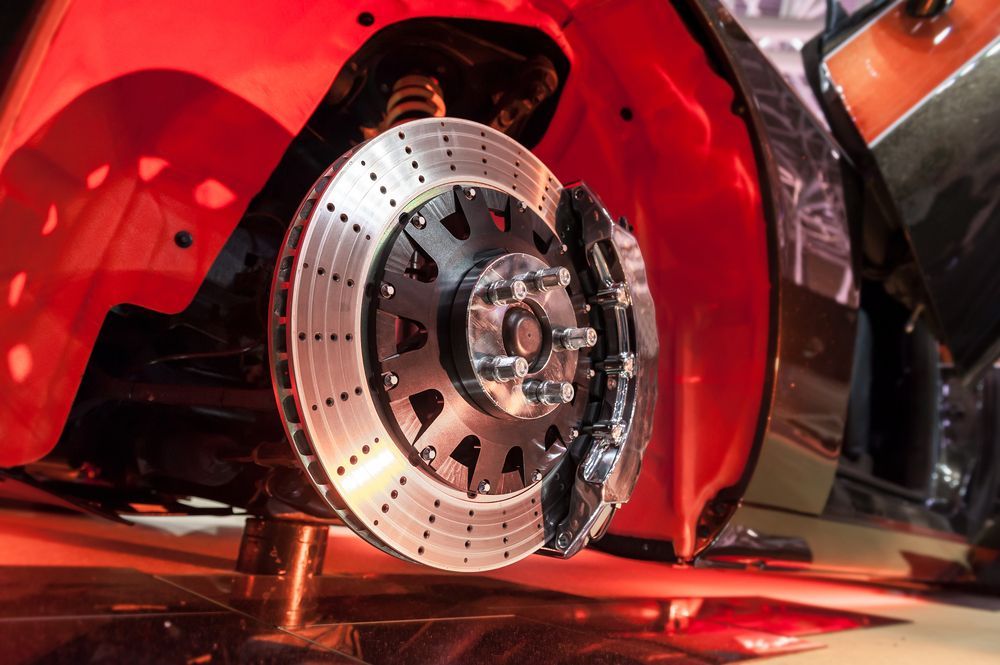
- The calipers squeeze the
brake pads against a
rotor (or brake shoes against a drum).
- This friction slows down the spinning wheels — and that’s what stops your car.
Disc Brakes vs. Drum Brakes
Most modern vehicles have
disc brakes on all four wheels, though some still have
drum brakes on the rear.
Here's a quick comparison:
Disc Brakes
- Common in - Most front & all-wheel systems
- How it works - Pads clamp a spinning disc
- Cooling -
Better at heat dissipation
Maintenance - Easier to inspect & service
Drum Brakes
- Common in - Older or economy rear wheels
- How it works - Shoes press outward on drum walls
- Cooling - Can overheat with heavy use
- Maintenance - Slightly more complex to service
Main Brake Components (and What They Do)
- Brake Pedal: What you step on - it starts the whole process.
- Master Cylinder: Sends brake fluid under pressure to the wheels.
- Brake Fluid: Transmits force from your foot to the wheels through brake lines.
- Brake Lines: Carry fluid to each corner of the car.
- Calipers: Clamp the pads onto the rotors.
- Brake Pads: Create friction and wear down over time.
- Rotors (Discs): The spinning surface that pads clamp onto to slow the wheel.
How You Know Something’s Wrong
Brake problems are usually easy to feel or hear. Warning signs include:
- Squealing or grinding sounds
- Spongy or soft brake pedal
- Vibration when braking
- Pulling to one side
- Brake warning light on your dashboard
If you notice any of these signs, it’s time for a brake inspection — before a minor issue becomes dangerous.
Why Brake Maintenance Matters
Brakes wear out slowly, which makes them easy to ignore - until they don’t work. Regular inspections and timely replacement of pads, rotors, and fluid can:
- Keep you and your passengers safe
- Prevent damage to more expensive components
- Save you money by avoiding emergency repairs
- Keeps your vehicle in roadworthy condition
Your brakes are the one system you always want working 100%.
Whether you're in city traffic or cruising down a mountain highway, reliable braking can mean the difference between a safe stop and a dangerous situation.
Not sure when your brakes were last checked?
Book your vehicle in - we’ll inspect your brake system and make sure everything’s in top shape before it becomes a problem.